Do Small Businesses Really Need a Professional Website?
Have you been putting off creating a professional website, thinking, “I have a Facebook page or an Instagram account for my business. So, do I even need a website?”
To give you a straight and short answer… Yes, you do.
And I’m not saying that simply because I am a web designer.
A website gives you ownership and control over your content and who can access it. What’s more? You’re not at the mercy of third-party platforms and crazy algorithms that change every other day.
All that said, the reality is a bit more nuanced. By the end of this article, you’ll get a good idea about what a professional website is, why you need it, and be able to decide for yourself if it’s time to move beyond social media.
Table of Contents
What is a professional website?
A professional website is a high-quality, user-friendly site designed to add credibility to an individual or a business and attract the right customers.
When you’re competing against big businesses, you need to boost your visibility and online presence in a budget-friendly way.
A well-designed website makes you easily discoverable and functions as a portfolio, an online storefront, or a marketing tool to highlight your offerings and expertise to your target audience.
Do you actually need a website?
To be honest, it’s more complicated than a simple “Yes” or “No”. It depends on who your audience is and how they make a purchase or hire decision.
The reality of how people buy today
Suppose you want to buy a product or a service. What’s the first thing you do?
You pull up Google (or any browser) and do a quick search. Or even ask your go-to AI tool. Then you click on a website and decide if it’s the right fit. If it’s not, you move on to the next.
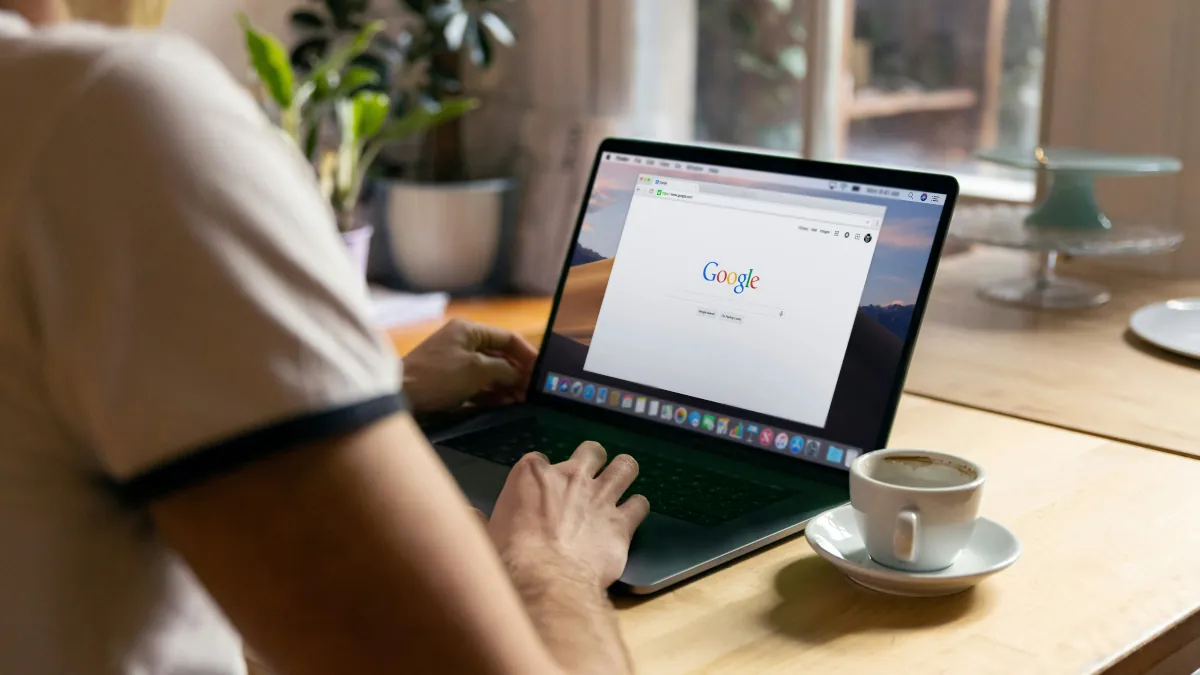
Similarly, your potential customers are looking for you. Even if they’ve heard about you from a friend or seen your Instagram posts, they might still want to view your offerings or read reviews to confirm you’re the real deal.
That’s what a website is for. It makes you discoverable and lends credibility to your business.
Why social media alone isn’t enough
For those who argue they already have a well-planned social media system in place, I get your point. But what happens if you lose access to your account, even temporarily? Or you suddenly get shadowbanned?
Unfortunately, that’s the sad reality of relying on social media platforms. You can’t control what you don’t own.
That’s not all. As a former social media manager, I know how draining social media can be. Social media platforms are not designed to help people find your business, but to keep viewers on the app for as long as possible.
Most business owners trade their time and money to churn out trending content, at the cost of diluting their actual brand message. Then, they burn out and lose their sanity because it feels almost impossible to constantly feed the algorithm and stay relevant.
The other risk is that you don’t have full control over the messaging within the platform (at least, not entirely). One day, you might become viral. And the next day, one negative comment can hijack the entire conversation and make you want to delete your account.
When you own a website, you own the narrative.
The message here is not that social media is wasted time or the bad guy. Instead of using social media as your digital home base, think of it as a tool to drive relevant traffic to your website.
After all, according to a global research study that analysed more than 60,000 websites, social media drives over 10% of website traffic.
Simple self-check: Is it time for a website?
Here’s a list of questions you can use to evaluate where you stand and if you need a website for your current business goals and needs.
- Are people already asking you if you have a website?
- Do you offer products/services where trust and professionalism matter? (e.g. health, finance, creative, education industry)
- Do you sell high-ticket services or products that require you to demonstrate the value to your ideal clients?
- Does your brand rely on storytelling to pique your ideal customer’s interest?
- Do you want to reach new clients who haven’t heard of you yet?
- Would you find it easier to explain what you do once and avoid repeating yourself in the DMs?
- Do you think a website could make you feel more credible and validate your business?
If you answered “Yes” to two or more, a professional website is likely to pay off.
7 benefits of a professional website
By now, you should have a good idea if a professional website is for you or not. We’ve also covered why it’s not a good idea to hedge all your bets on social media.
Although social media and AI search are gaining widespread popularity, Google still accounts for the biggest slice of the global search engine market.
However, if you’re still wondering, here’s a skimmable list of the benefits a professional website can offer your business.
Builds credibility and trust
When you rely only on social media, potential customers might use follower count or likes as a shortcut to decide whether you’re worthy of their trust. There’s an inherent bias of herd mentality at play. A well-designed website, on the other hand, signals professionalism and credibility, and removes groupthink from the equation.
Acts as your digital home base
In contrast to social media, you own your website. That means you control the content, site access, and messaging. Your custom domain name (URL) also belongs to you. The same goes for your data. A website lets you build and export your customer or email list anytime, without relying on third-party platforms.
Makes you discoverable
People search or ask AI about anything and everything. And when they do, websites usually dominate search results as it allows your pages to be indexed and makes you searchable for relevant keywords. More searchability means more visibility and more opportunities. In short, a website increases your chances of ranking on search engines.
Note: As of July 2025, Meta has allowed search engines to index content from professional accounts. While social posts may appear in search results more often than before, the search landscape is still largely owned by websites and blogs, especially for intent-driven searches.
Works 24/7 as your best salesperson
Unlike a physical store, your website is always open. It explains your value, answers FAQs, and gives potential clients access to key information 24/7, no matter where they’re located. Instead of saying the same thing over and over again on your socials or DMs, you can drive them directly to your website.
Shows what makes you different
On social media platforms, you’re restricted to a grid and constantly competing with other users and trends with no control over the platform’s look and feel. With a website, you own the entire screen and user experience. You can fully express your brand’s personality, visual and verbal identity, and clearly show what differentiates you from competitors.
Improves conversions
When you find out about a business elsewhere, you often have to actively hunt for information. A website flips the script with structured layouts, clear copy, and strategic calls to action. By providing the right details and value at the right moment, it can reduce friction and guide curious visitors into interested leads who are ready to enquire, book, or buy.
Makes your business scalable
Whether you want to set up email marketing, automations, online bookings, digital products, or a blog, a website can help you bring everything together under the domain you own. Having everything live in one place, instead of being scattered across tools and platforms, makes it easier to manage, scale, and optimise over time.
Should I hire a web designer, and when?
There’s no strict rule that every business needs to hire a designer. In fact, DIY works perfectly for some businesses, especially if you’re just starting out or you’re comfortable managing it yourself.
The tipping point is usually when saving money starts costing you more — more time, more energy, and more missed opportunities.
There are several no-code tools that make it super easy to design a beautiful website with drag-and-drop elements. However, to fully customise it as you imagined, you may need to deal with a little code. Unless you’re a tech-wiz, this is where solopreneurs and small business owners often struggle.
Another common point of frustration is getting caught up in technical details, such as domain or email setup and SEO, which makes you want to pull your hair out.
Here’s a rule of thumb I’d recommend…
If you’re spending hours trying to “fix” your website instead of working on your business or for personal time, it’s time to get help.
A website is supposed to support your business goals. It shouldn’t be a constant addition to your to-do list that turns your focus away from the important things.
Overcoming common fears and misconceptions
Building a website may seem like a daunting task. And that’s normal.
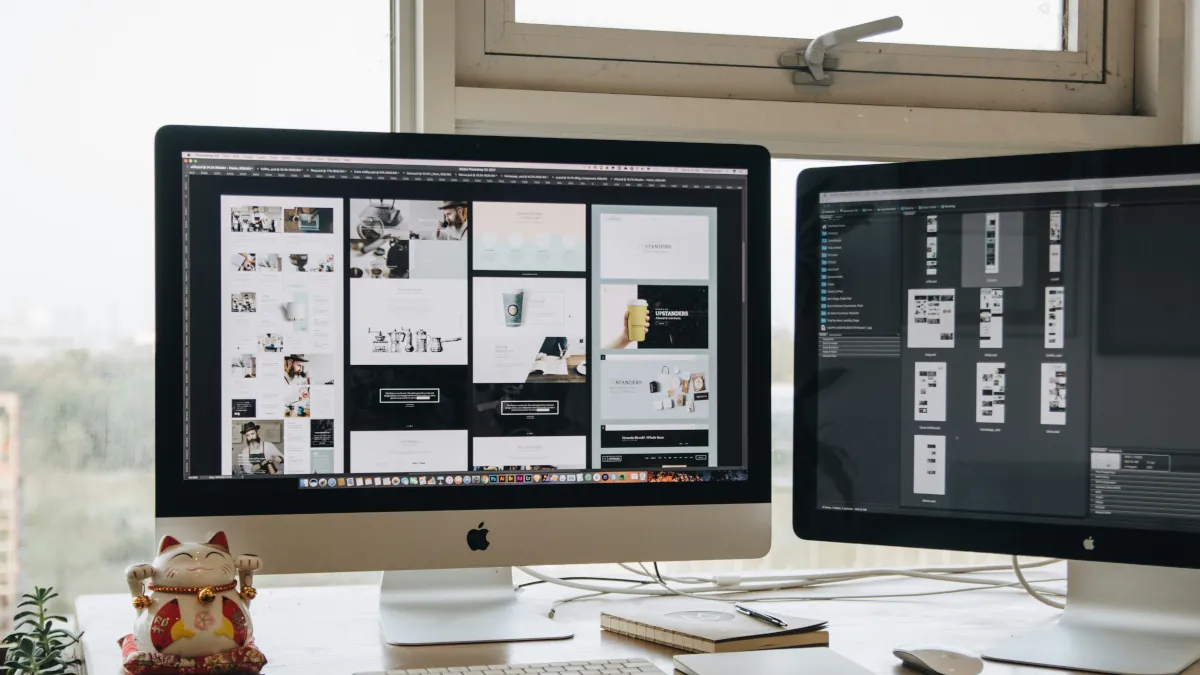
In fact, here are a few common fears that stop solopreneurs or small business owners from taking the next step.
“It’s too expensive”
Depending on who you work with, the pricing can seem out of reach. However, a website is an asset that can last you for years. So, think of it more as an investment. Once you start marketing your website and getting clients or sales, you can easily recoup your ROI (return on investment) within a few months.
Also, you can always start with a simple site and scale up as your business grows. There are many solo web designers who work closely with you to produce beautiful output, without the agency rates.
“I’m not tech-savvy”
If you’re worried you need to be tech-savvy to maintain a stunning website, don’t worry! Those times are long gone. Most drag-and-drop website builders make it super easy for the end user to create and update their own websites. That’s not all. Now, you can quickly find templates for almost every niche.
If you want a fully-custom website or require help with custom styling, it’s crucial to choose the right partner. You may also need to opt for a partner who offers training or maintenance plans.
“I don’t know what to say or show”
This is completely normal and more common than you think. Most business owners know their business inside out, but still struggle to communicate the value they provide. That’s why pro designers often point you to resources to help you frame your copy or recommend working with a professional copywriter.
A brand strategist or copywriter can help you identify your core messaging and structure your entire website content in a way that makes sense to your ideal audience.
Key takeaway
Both social media and a professional website are amazing tools for building an effective brand and generating leads. Each of them has its own place in a branding and marketing strategy.
However, there’s a key distinction between how much of the data and user experience you actually own and control. A professional website gives you more control over your messaging, design, customer data, etc. It is also a great way to build trust and authority and convert casual visitors into qualified leads.
Meanwhile, a social media presence helps you to put yourself out there, reach more people, and boost brand visibility. But at the end of the day, you’re running on a rented platform with unpredictable algorithms.
Ultimately, the success of your business depends on how you use them both to your advantage.